
The Story, Craft, and Culture of Incense.
A plain-English guide to incense, from ancient offerings and India's agarbatti workshops to the stick burning on a shelf today.
What Is Incense?
Incense is any material burned for its fragrant smoke. The word comes from the Latin incendere, "to set on fire."
Most incense combines three things: a fuel that smolders, such as charcoal or wood powder; a binder that holds it together; and aromatics such as resins, woods, herbs, flowers, or perfume oils. Once lit, a stick or cone does not keep a flame. It smolders slowly, releasing its scent as it burns down.
People have burned incense for worship, celebration, traditional healing, and simply to make a room smell pleasant for thousands of years. Today it is made and sold around the world, and India is by far the largest supplier of incense to the United States.
Two Ways to Burn Incense
Five Thousand Years of Incense.
Incense traveled the world with trade and faith. Here are some milestones, and how different cultures burn it today.
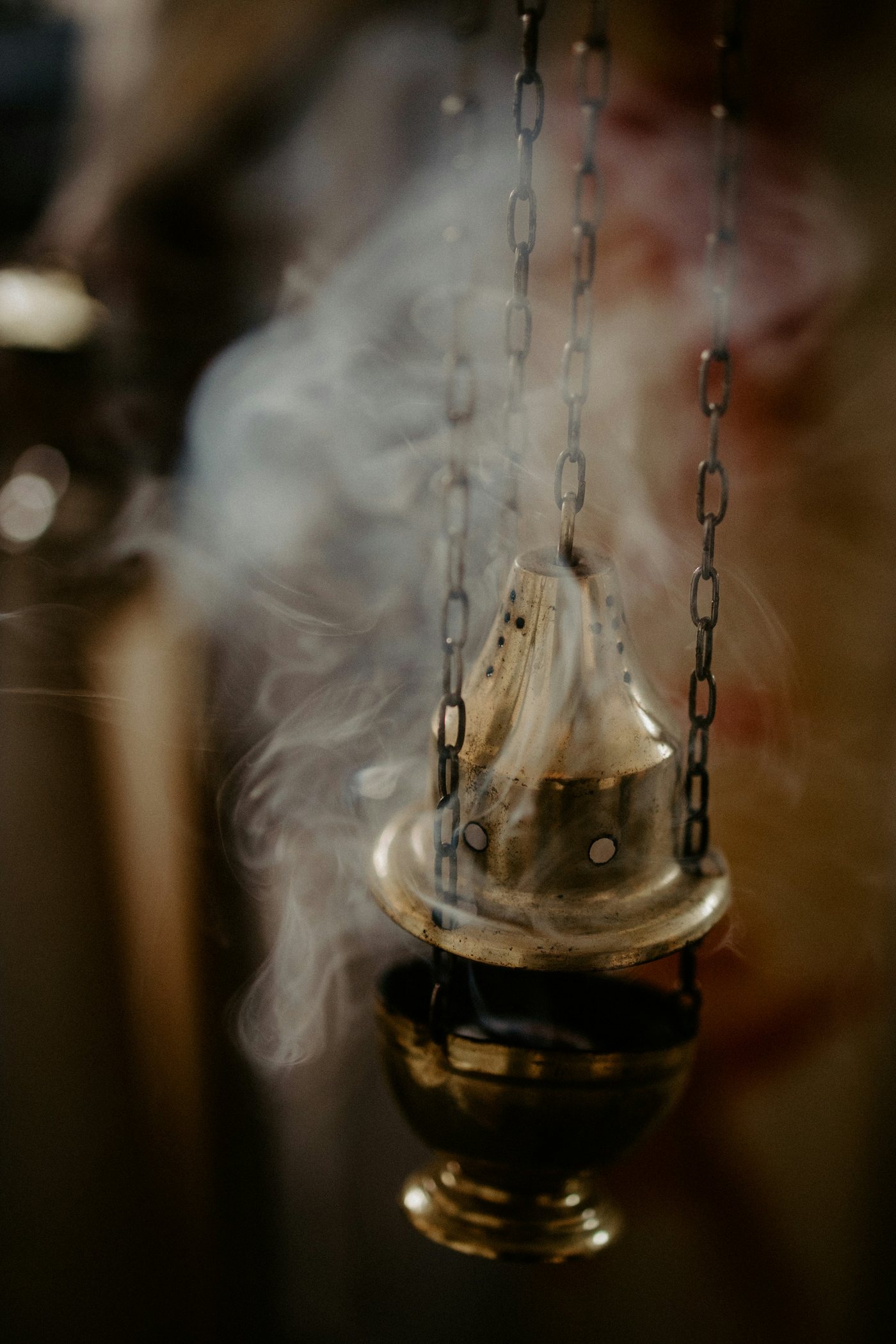
Traditions Around the World
An Ode to Agarbatti.
In India, incense is more than a fragrance. It is part of prayer, celebration, and everyday life, and has been for many centuries.
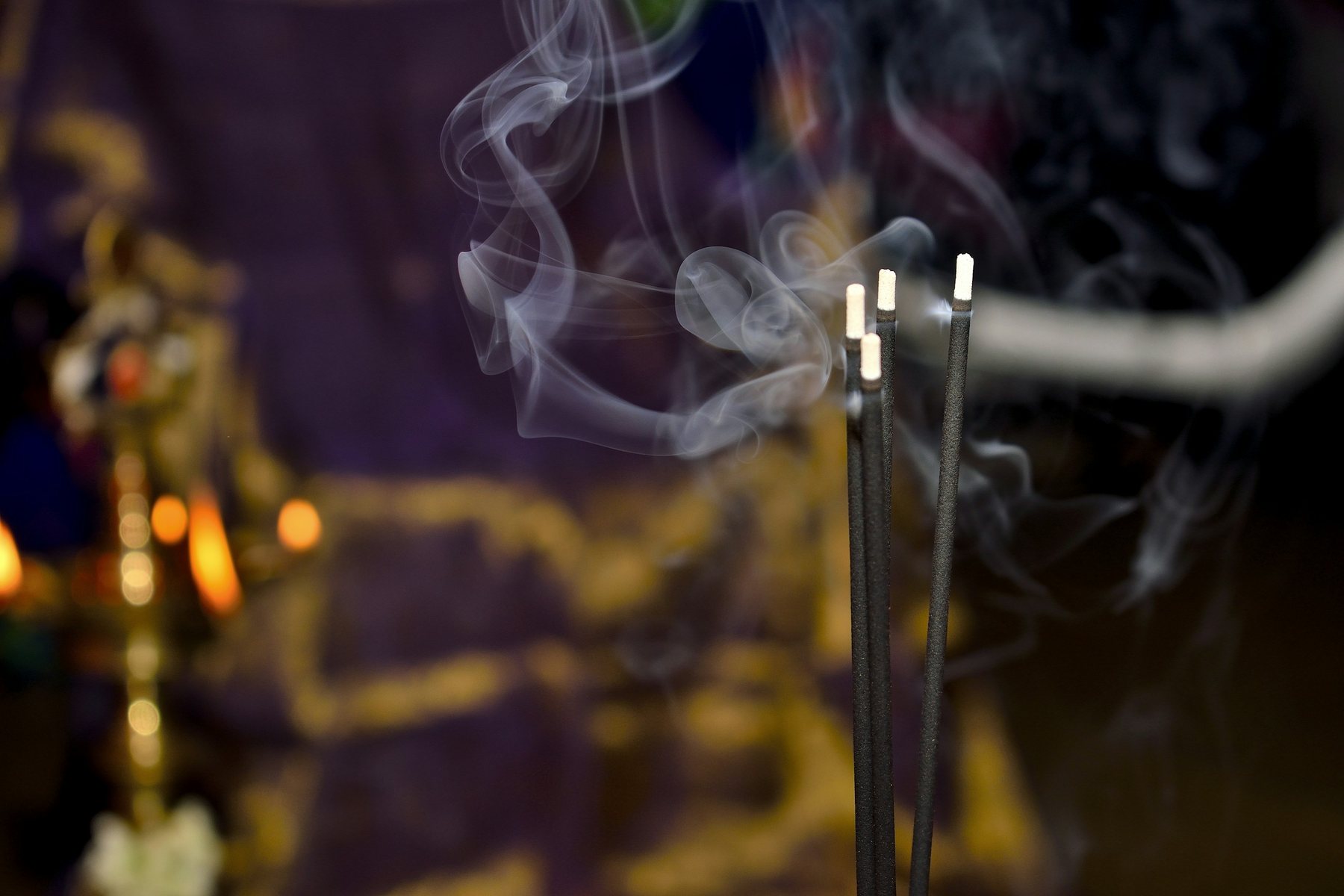
What Agarbatti Means.
Agarbatti joins agar, the fragrant agarwood (aguru in Sanskrit), with batti, from the Sanskrit varti, meaning a stick or wick. The older Sanskrit name for stick incense is dhupavarti.
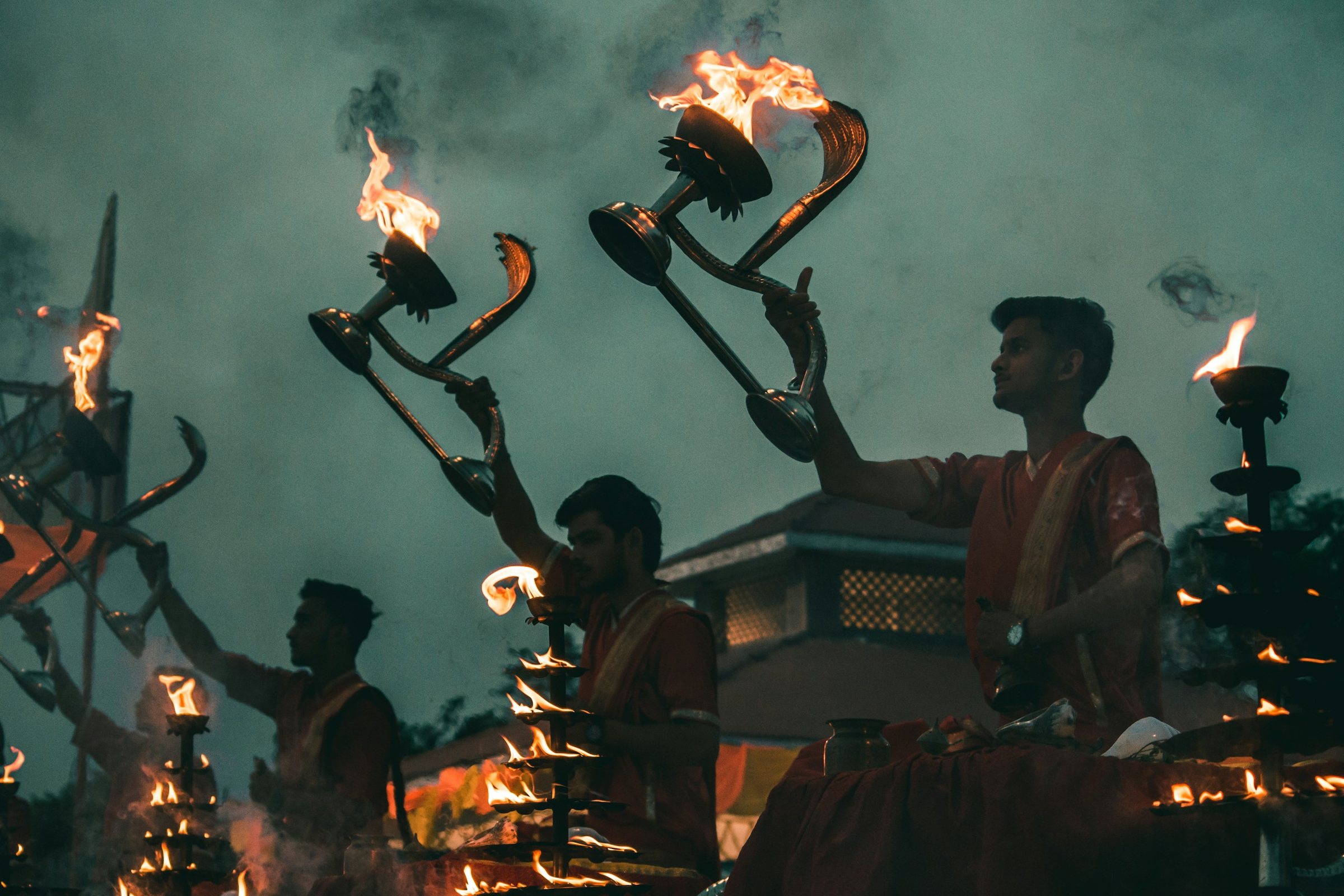
In homes across India, a lit stick is a quiet part of daily prayer, set before a small shrine each morning or evening. The idea behind it is old and simple: fragrance is an offering, given alongside flowers, a lamp, and food.
One Fragrance, Many Faiths
Written Into Old Texts.
The Atharva Veda, one of Hinduism's oldest scriptures, praises the healing fragrance of guggulu, a resin still burned as dhoop today. Ayurveda, India's traditional medicine, describes dhupana: fumigating a room or a wound with medicinal smoke.
Stick incense grew into an organized industry in Bengaluru and Mysore in the 1900s, with support from the Maharaja of Mysore. The region's sandalwood made its sticks famous, and Mysore Agarbathi earned a Geographical Indication (GI) tag in 2005.
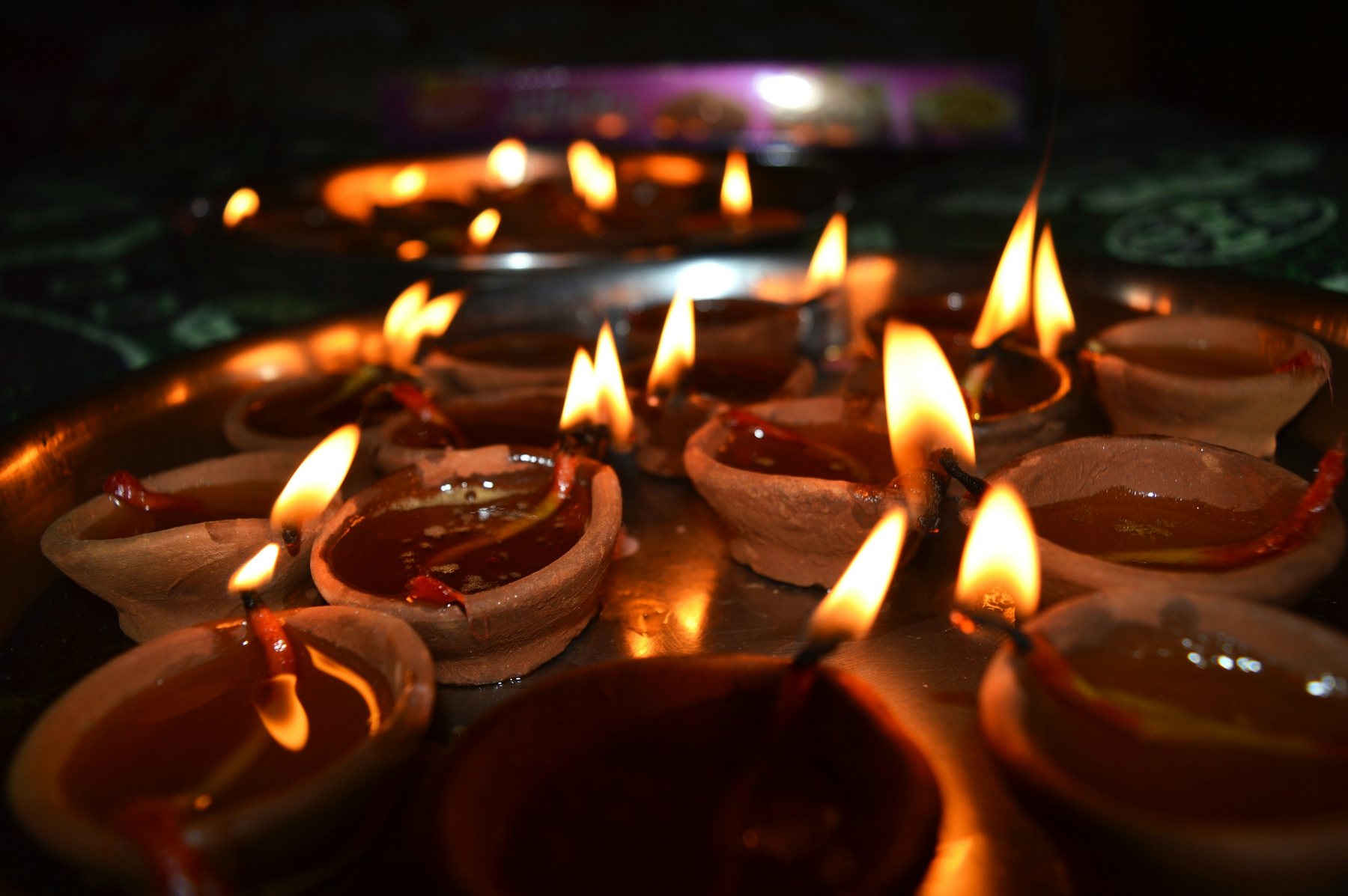
Sticks, Cones, and Beyond.
Incense comes in many shapes. Some burn on their own, some need heat from below, and each suits a different use.
Anatomy of an Agarbatti.
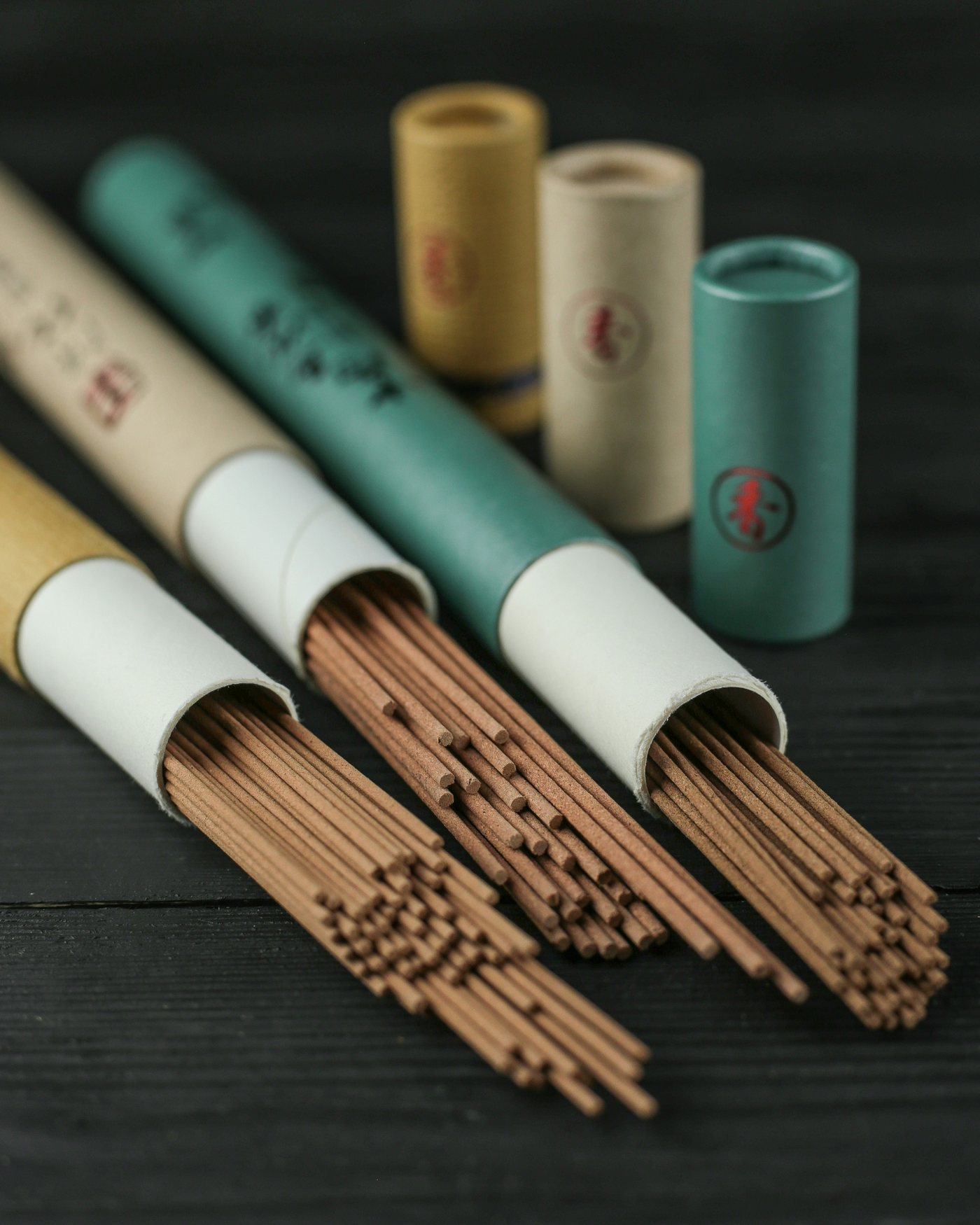
A typical Indian stick is a thin bamboo core coated in a paste that smolders slowly. Here is what goes into one.
Masala or Dipped?
Raw Materials
Indian government project profiles give this sample masala base. Every maker adjusts it, and dipped sticks get most of their scent later, from perfume.
The Fragrances Behind the Smoke.
Many classic scents, in paste or perfume, come from a handful of trees, resins, and flowers. Some are now scarce and protected.
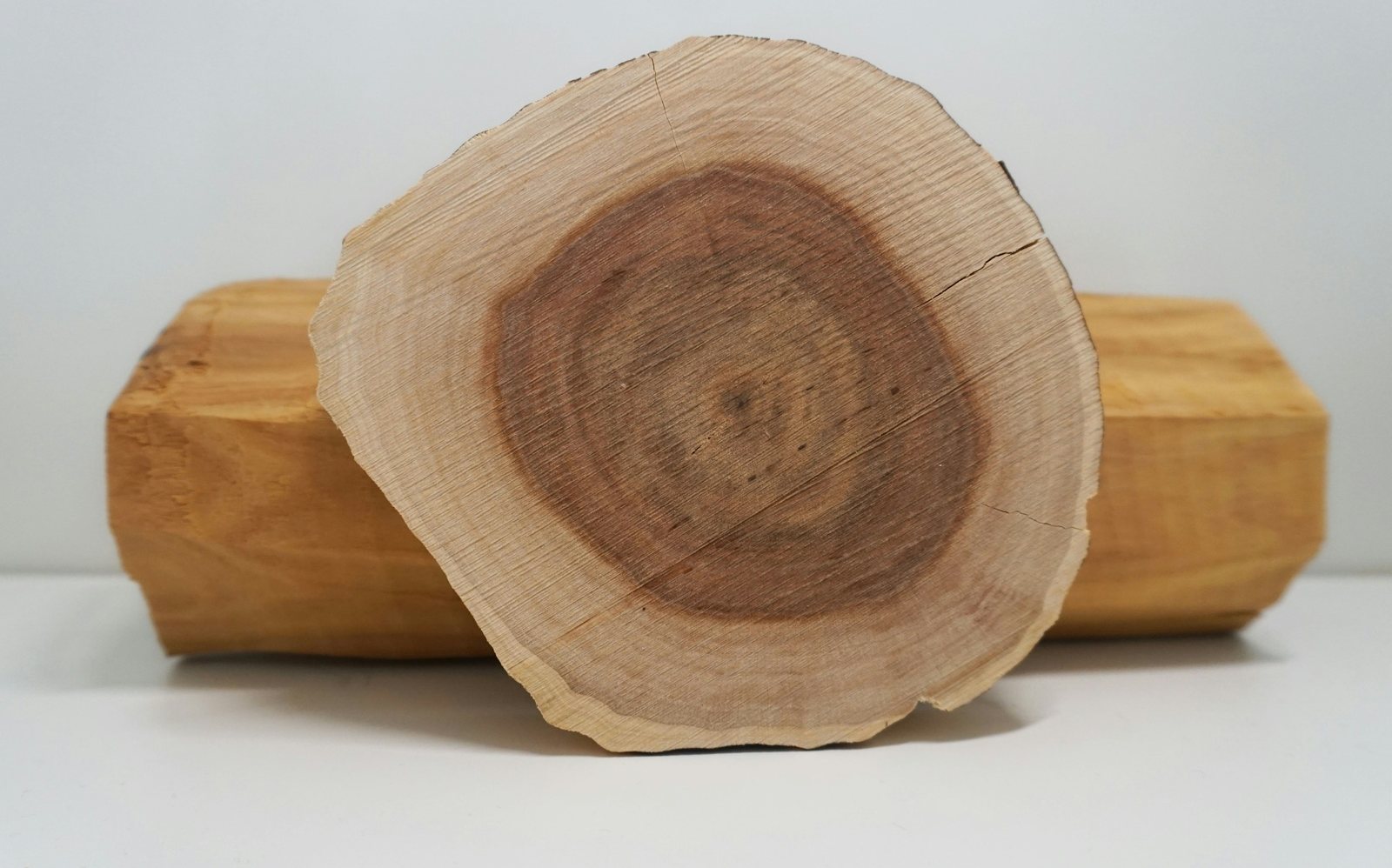
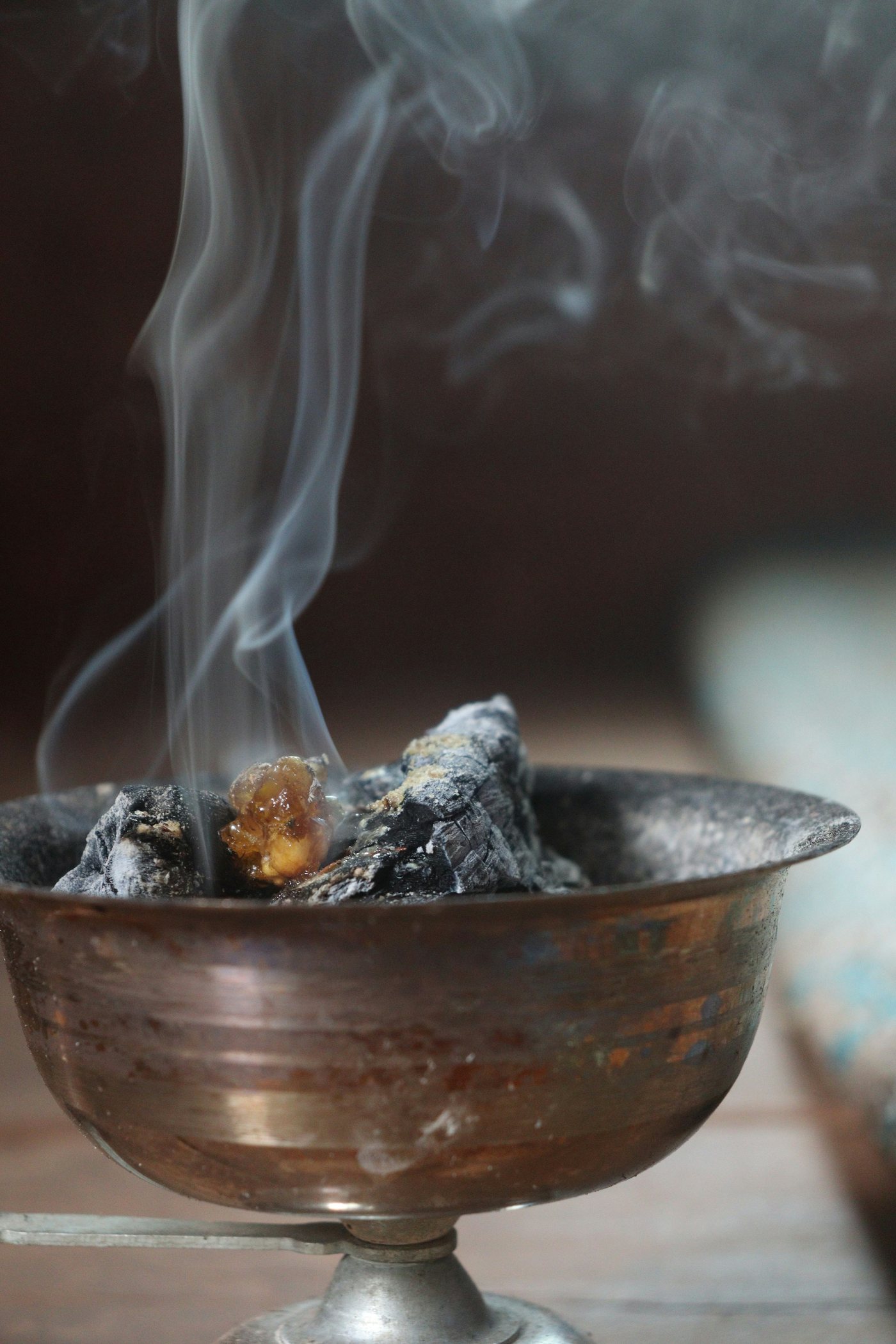
Many modern sticks use perfume compounds instead of pure plant oils. That keeps scents consistent and affordable, and spares scarce materials. Musk, for example, once came from the musk deer and is now almost always synthetic.
From Bamboo to Burning Stick.
Most Indian incense is made in two stages: plain raw sticks are rolled first, then scented. Much of the rolling is still done by hand.
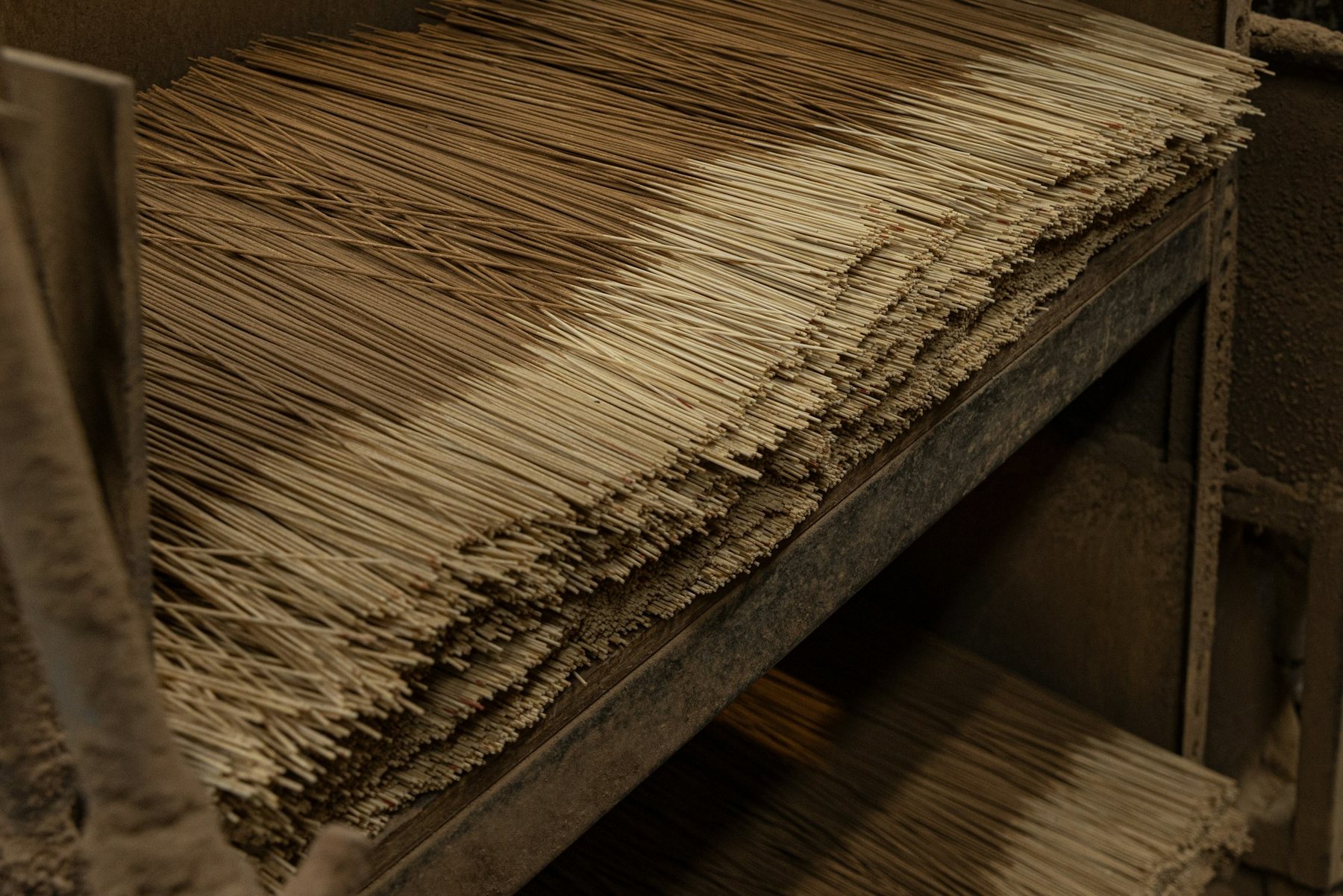
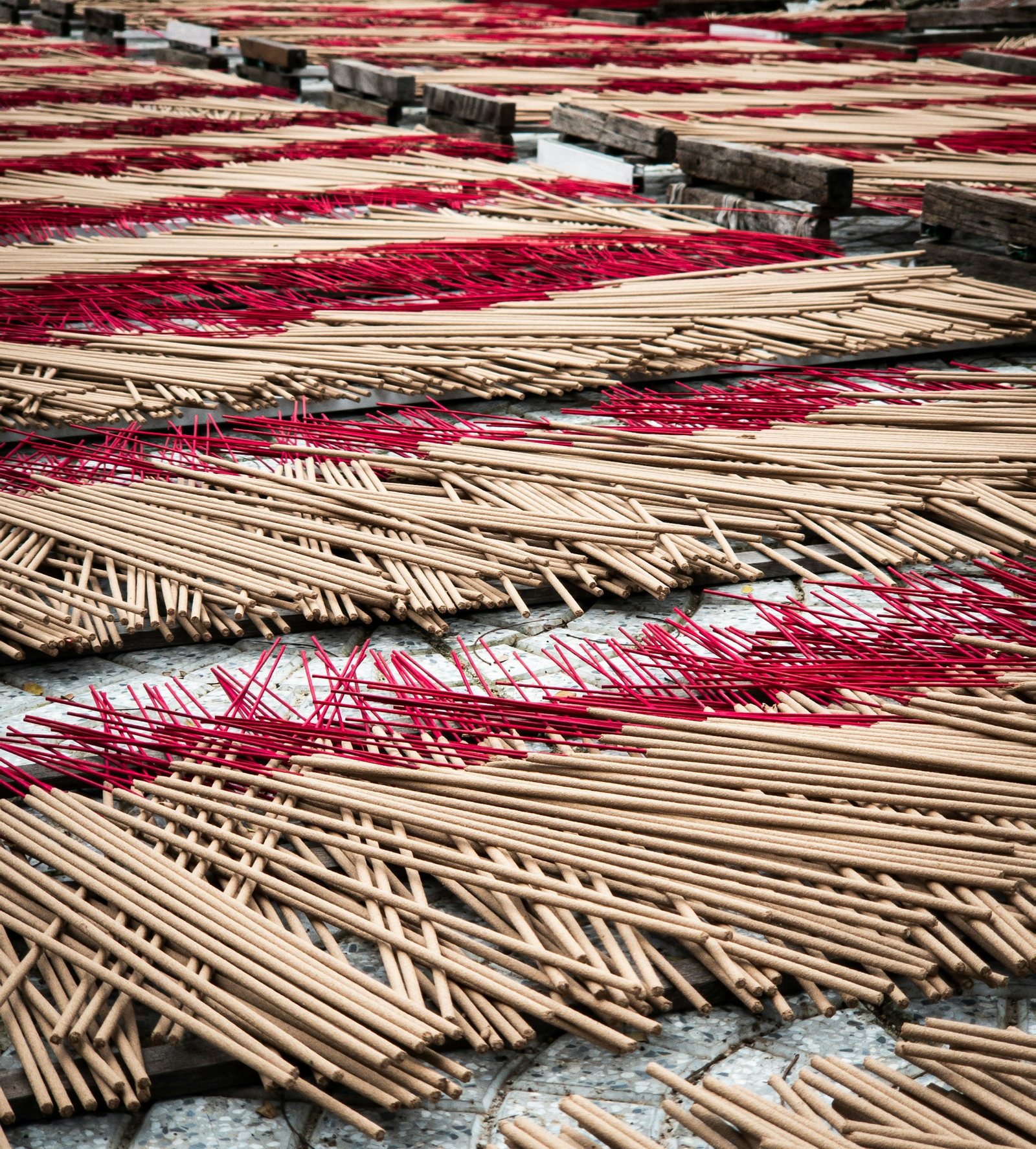
By Hand and by Machine
How Incense Reaches the Shelf.
Those sticks add up to a huge export trade for India, and the United States is its largest customer.
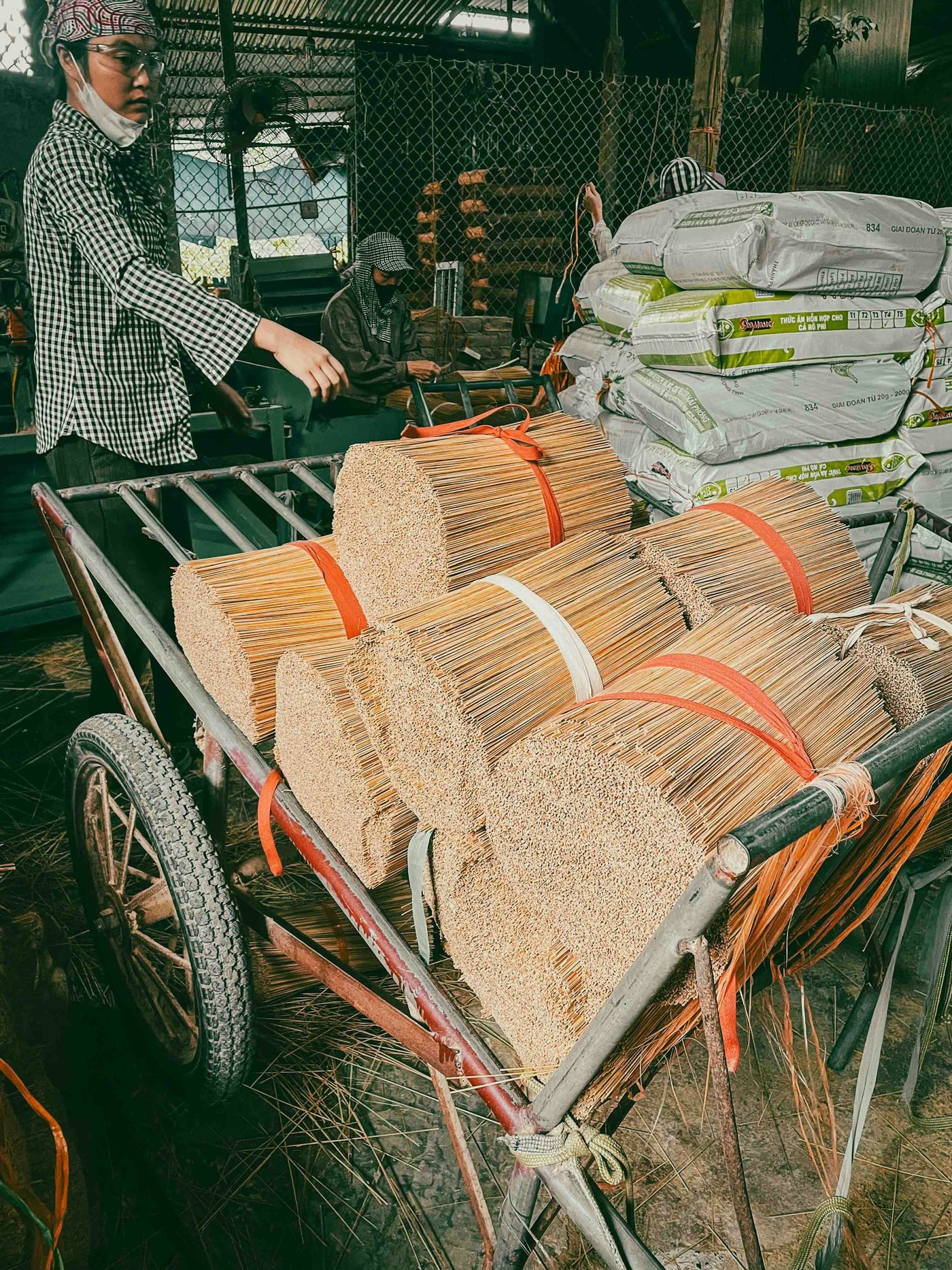
Made by Many Hands.
Incense making in India is largely a cottage industry. Hundreds of thousands of workers, most of them women, roll raw sticks at home or in small units, often part-time. Government figures put India's incense industry at around ₹8,000 crore, roughly $1 billion, a year.
In 2019 and 2020, India restricted imports of raw sticks and raised duties on bamboo sticks to support local makers, and a government program began funding automatic stick-rolling machines. In late 2025, the Bureau of Indian Standards issued IS 19412, India's first quality standard for incense sticks.
How Incense Is Packed and Sold
Around the world, incense sticks, cones, and dhoop are classified under Harmonized System (HS) code 3307.41, which is officially titled "Agarbatti and other odoriferous preparations which operate by burning." Duties and import rules change often, so importers should confirm current requirements with a licensed customs broker.
Getting the Best From Every Stick.
A few simple habits give a cleaner burn, a truer scent, and a safer room, whether you burn one stick or many.
Why Incense Does Not Flame.
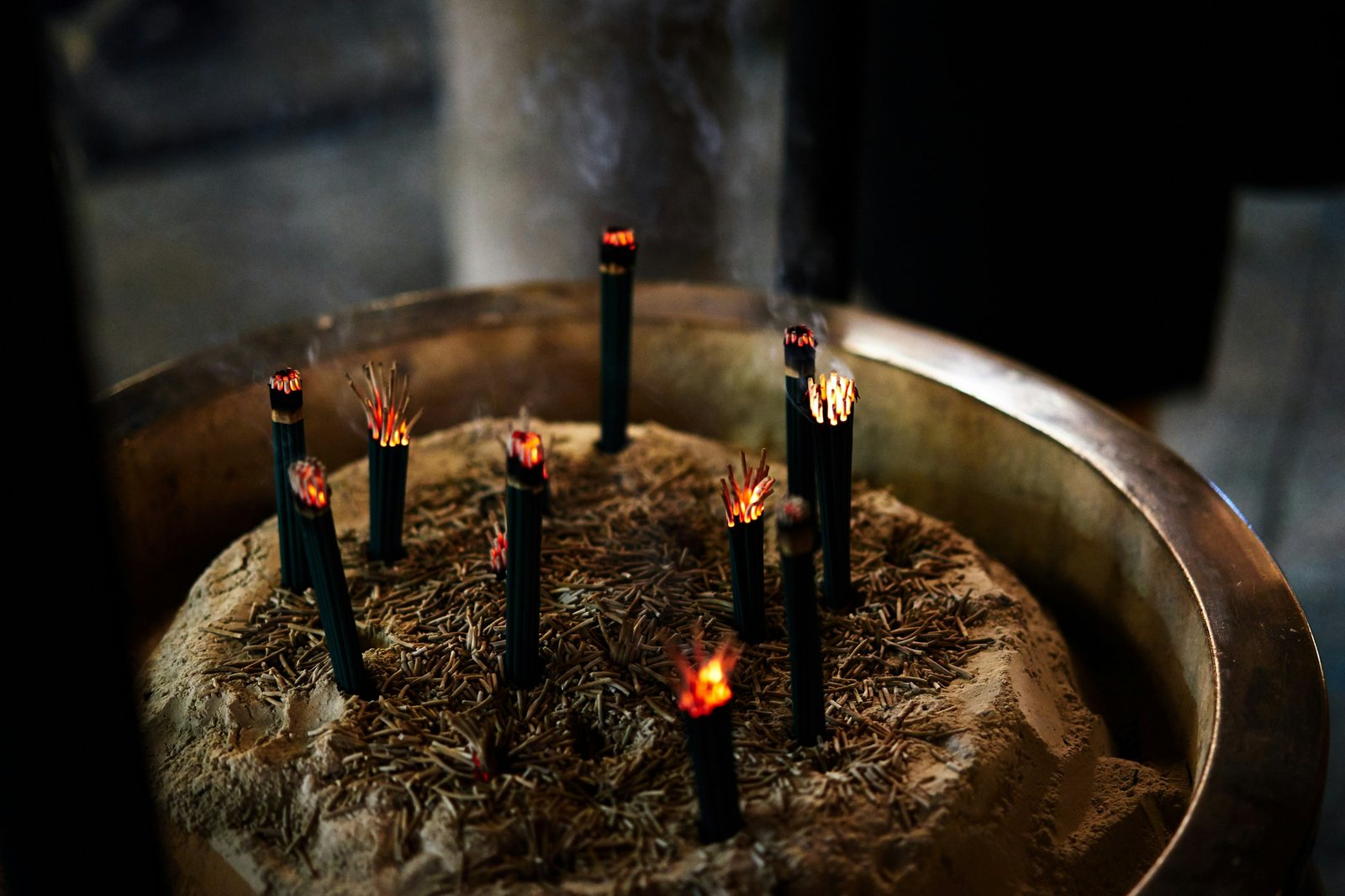
Instead of a flame, a lit stick has an ember that creeps slowly down the coating, heating the fragrance just enough to carry it into the air. Too much oil can snuff the ember, so makers balance fuel and fragrance carefully.
Speak the Language of Incense.
Words you will hear in the incense trade, on packaging, and in places of worship, from agarbatti to attar.