

How Plastic Resin Is Made, Graded, and Traded.
A plain-English guide to the plastics industry — from the gas fields and crackers of the Gulf Coast to the factories that turn pellets into everyday products.
What Is Plastic?
Plastics are polymers — very long chains made by linking thousands of small molecules, called monomers, end to end.
Ethylene links into polyethylene, propylene into polypropylene, and so on. How long the chains are, how much they branch, and what is blended in decide whether the finished material is soft and stretchy, clear and rigid, or tough enough for a water pipe.
In the trade, raw plastic is called resin. It is usually sold as small pellets (also called granules or nurdles), which factories melt and shape into film, bottles, pipe, fiber, and thousands of other everyday products.
Two Families: Thermoplastics and Thermosets
A Century of Plastics.
Plastic went from a lab discovery to an everyday material in under a century, thanks to these breakthroughs.
How Oil and Gas Become Resin.
Almost all plastic starts as oil or natural gas. It takes six broad steps to turn a hydrocarbon into a bag of resin pellets.
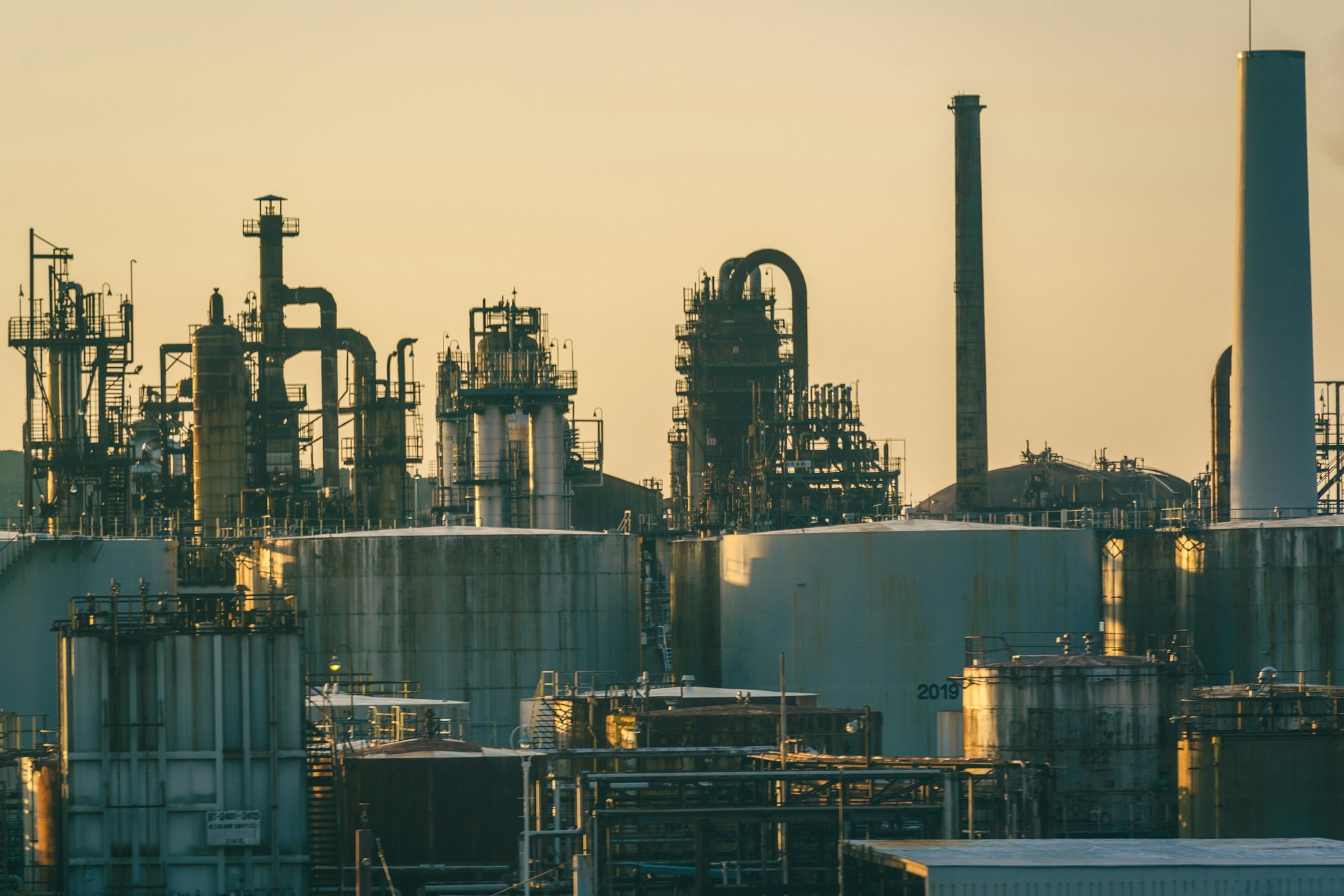
The Heart of American Plastics.
About 95% of U.S. ethylene capacity sits in Texas and Louisiana, close to shale gas supplies and deep-water ports. The Houston Ship Channel is one of the largest petrochemical complexes in the world.
Because U.S. crackers run mostly on low-cost ethane, America makes large amounts of polyethylene — much of it exported through Gulf Coast ports to buyers in Asia, Latin America, and beyond.
Seven Resins, Seven Personalities.
Each resin has its own strengths. Values are typical and vary by grade. Codes are explained below; epoxy falls under 7, Other.
The Polyethylene Family
Low-, linear low-, and high-density PE are all made from ethylene. They differ in how the chains branch, set by pressure, catalyst, and comonomer.
Other Common Resins
Resin Identification Codes
The number inside the triangle on a product shows which resin it is made of — not whether it can be recycled. The system is set by ASTM International (standard D7611), which now uses a solid triangle instead of chasing arrows.
The Numbers That Define a Grade.
Each resin comes in many grades, each with a data sheet. A handful of numbers tell a buyer most of what they need to know.
Not All Resin Is Prime.
In the trade, grade also describes quality. Much resin is sold below first quality, priced to match, giving buyers a cheaper option.
How Factories Shape Resin.
Once a grade is chosen, converters (or processors) turn it into products. Most use one of these eight methods.
Giving Plastic a Second Life.
Mechanical recycling, the source of repro, keeps the polymer intact and turns used plastic back into pellets.
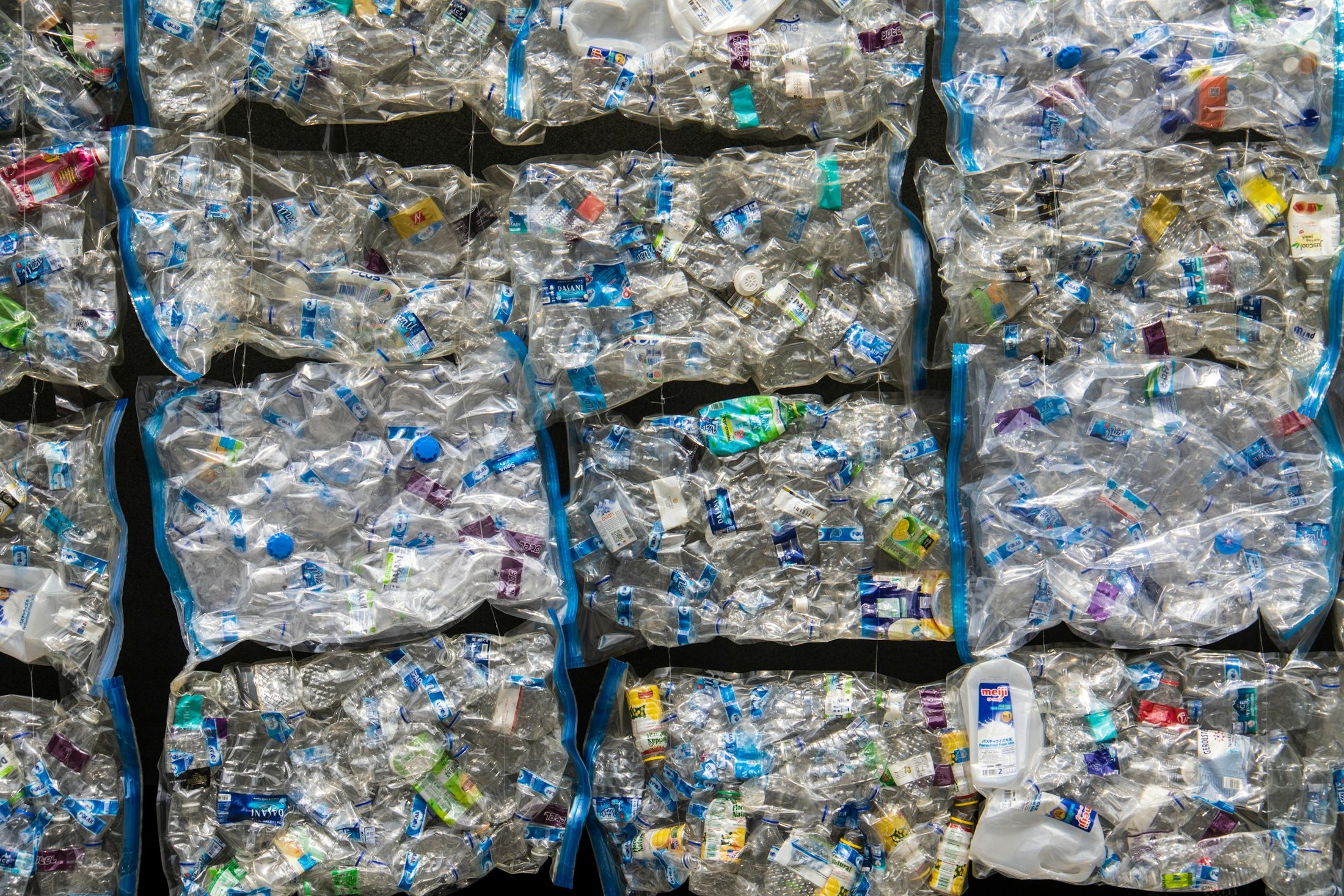
A newer route breaks plastic back down into chemicals. Pyrolysis heats polyolefins like PE and PP into oils, while depolymerization (glycolysis, methanolysis, or hydrolysis) turns PET back into its building blocks.
How Resin Moves Around the World.
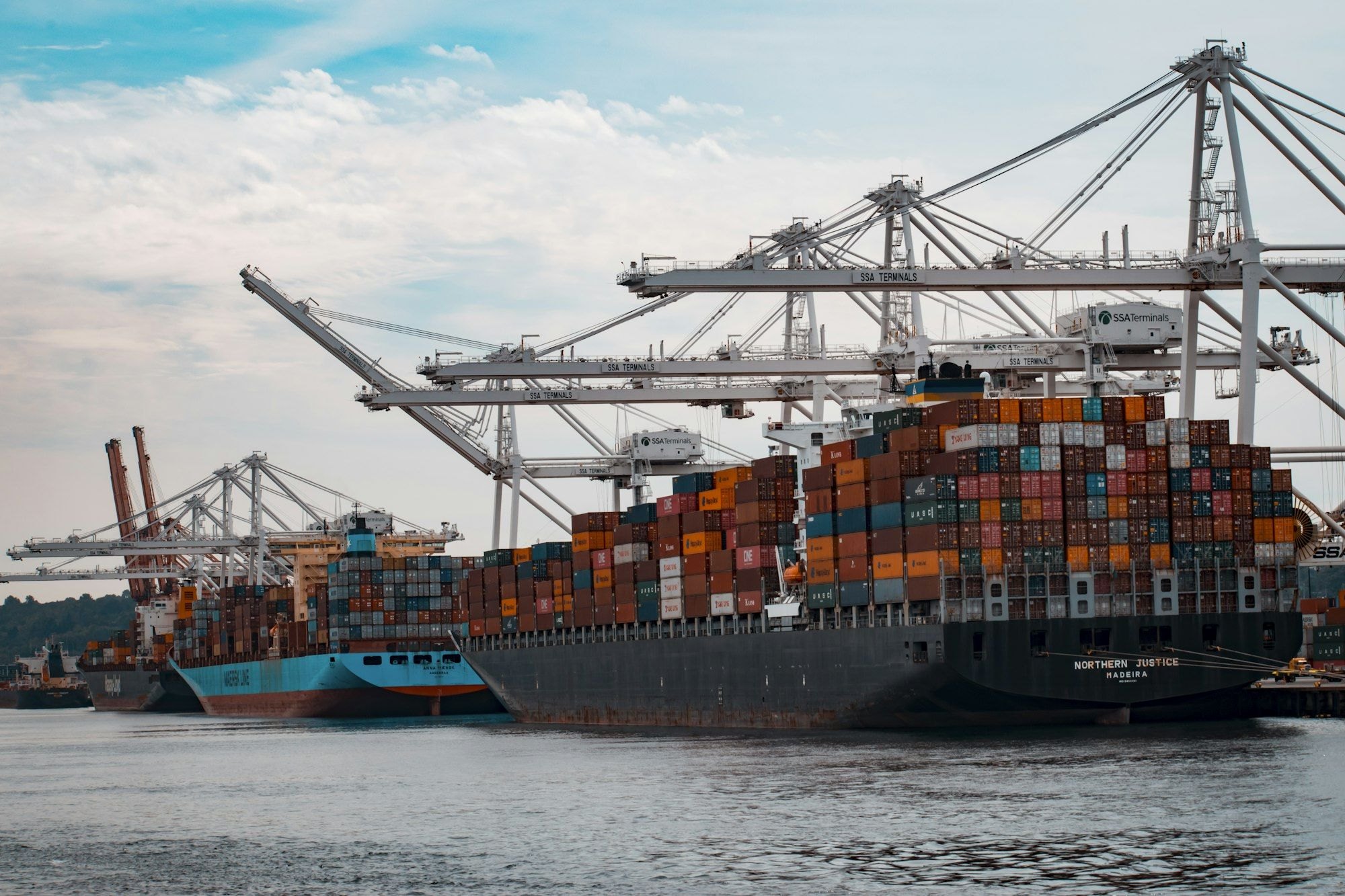
Most export resin travels in sea containers. A few standard units, terms, and documents come up on every deal.
Packaging and Load Sizes
Incoterms
Incoterms are standard trade terms, published by the International Chamber of Commerce (ICC), that spell out where the seller's job ends and the buyer's begins. These are the ones most used for resin.
Common Export Documents
HS Codes for Resin
Customs around the world classify goods with Harmonized System (HS) codes. The first six digits are shared by the 200-plus countries that use the system. Single-resin repro pellets are usually classed as resin, not scrap — a customs broker makes the final call.
Rules for plastic scrap have tightened worldwide. China stopped accepting most plastic scrap in 2018 and banned solid waste imports in 2021, though recycled pellets that meet national standards can still enter. India bans most plastic scrap imports. Since 2021, the Basel Convention has required prior consent for mixed or contaminated plastic waste.
Prime and off-grade virgin resin is generally traded as ordinary goods. Rules change often, so always confirm current requirements with a licensed customs broker before shipping.
Speak the Language of Resin.
The plastics trade runs on acronyms. Here are the ones you will hear most, followed by common terms.